
Clogged AC Condensate Drain Line: Symptoms, Clearing, and Preventing Water Leaks
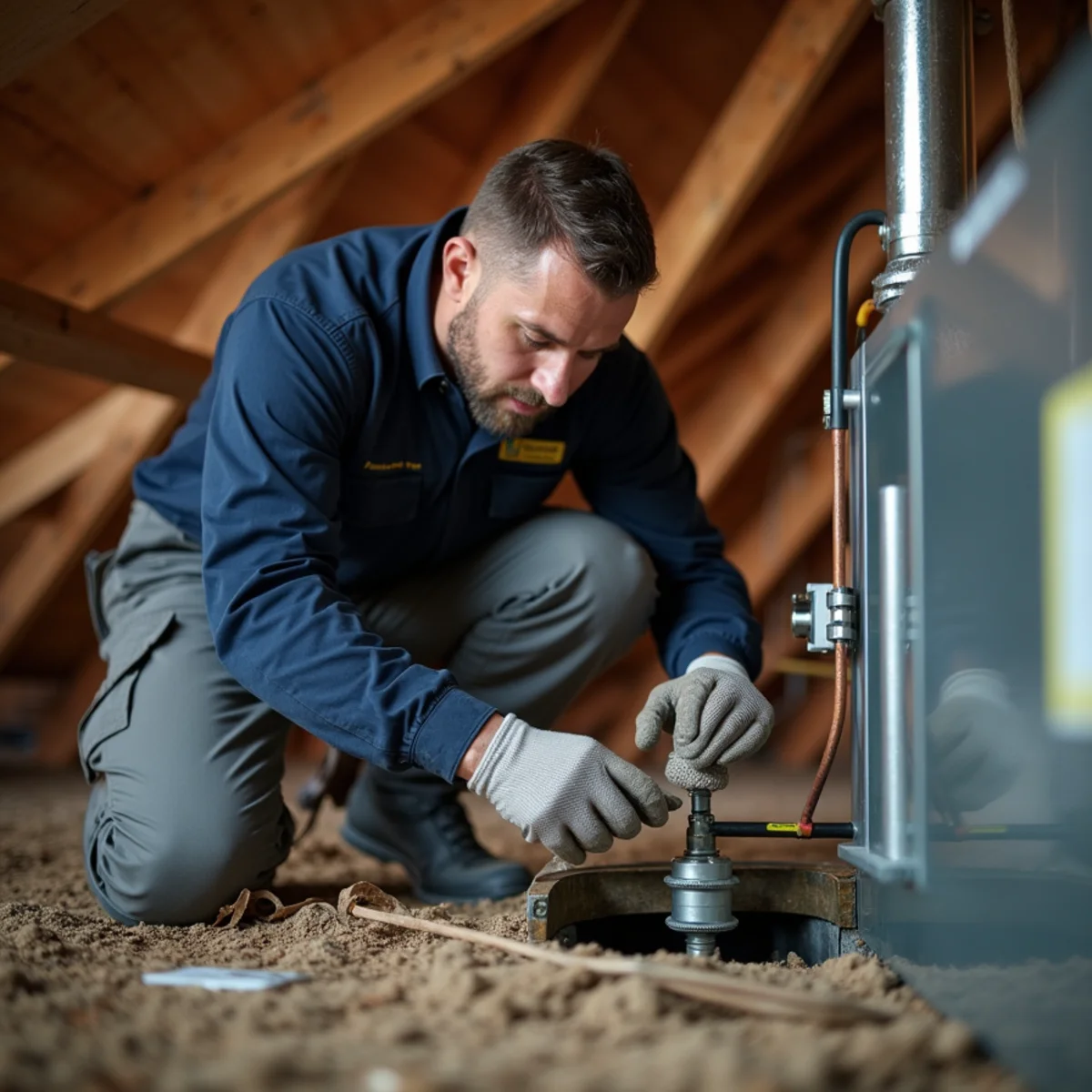
Why Do Condensate Lines Clog So Frequently in Eastern NC?
In Harnett County's humid summer climate, your air conditioner does double duty: it chills your indoor air and functions as an industrial dehumidifier, wringing between 10 and 20 gallons of water vapor from your home every 24 hours. This water condenses on the indoor evaporator coil and flows down into a plastic condensate drain pan connected to a 3/4-inch PVC drain pipe.
Because the indoor evaporator coil operates in a dark, warm, and humid plenum cabinet, airborne household dust, pet dander, and fungal spores get trapped on the wet coil fins. Over time, bacteria and algae synthesize these organics into a gelatinous, slime-like biofilm known as zooglea. This sludge accumulates in the P-trap elbow or horizontal crawl space runs, halting water flow completely.
Condensate Drain Line Clearing Methods: Comparative Guide
When water backs up in your drain pan, choosing the proper clearing technique prevents damaged PVC joints and ensures long-term drainage.
| Clearing Method | Equipment Needed | Clog Severity Handled | Effectiveness | Safety / Risk Factor |
|---|---|---|---|---|
| Wet/Dry Vacuum Extraction | Shop vac + rubber coupler | Moderate sludge / standing water | High (Pulls clog out from exterior) | Very Safe (Zero chemical or pressure damage) |
| Distilled White Vinegar Flush | 1 cup vinegar + funnel | Mild buildup / routine prevention | Excellent preventative (Kills algae) | Completely Safe for PVC and coil pans |
| Regulated Nitrogen Blow-Out | Dry nitrogen tank + rubber plug | Heavy, compacted sludge plugs | Immediate (Blows plug clear in seconds) | Requires licensed pro (Max 150 PSI to avoid bursting pipe) |
| Manual Hand Snake | 1/4-inch plumbing auger | Hard foreign object obstruction | Moderate (Can puncture thin flex lines) | Caution: Avoid damaging plastic P-traps |
| Chemical Drain Cleaners (Drano) | Caustic chemical liquids | Organic blockages | Unacceptable (Never use in HVAC) | Extremely High (Melts PVC cement & cracks drain pan) |
4 Definitive Symptoms of a Clogged AC Condensate Line
Recognizing the earliest signs of a condensate blockage protects your ceilings, hardwood floors, and electrical controls from catastrophic water damage:
- 1. Sudden AC Shutdown via Safety Float Switch: Modern building codes mandate a magnetic float switch (e.g., Safe-T-Switch or EZ-Trap) wired into the low-voltage 24V circuit. When water rises in the pan or trap, the magnetic float rises and immediately cuts power to the thermostat or outdoor condenser, leaving the indoor fan blowing warm air or causing the thermostat screen to go blank.
- 2. Visible Water Dripping From Ceilings or Soffits: If your air handler is installed in an attic and lacks a working float switch, overflowing condensate fills the emergency drain pan and spills into ceiling drywall, causing brown water rings, bubbling paint, or ceiling collapses.
- 3. Musty, Stagnant Mildew Odors: Standing water in a fouled drain pan circulates unpleasant, damp fungal smells through your supply ductwork every time the blower cycles on.
- 4. Completely Dry Outdoor Drain Exit Pipe: During a hot 90°F summer afternoon, a healthy air conditioner should drip a steady stream of water from the white PVC pipe exiting your foundation wall. If the unit runs continuously but the exterior pipe is bone-dry, a blockage is trapping water inside.
Technician E-E-A-T Field Insight: The Nitrogen Blow-Out Protocol
When our technicians encounter stubborn condensate clogs that a wet/dry vac cannot dislodge, we use a portable dry nitrogen cylinder equipped with a specialized rubber cone adapter. We insert the adapter into the indoor cleanout tee and deliver a controlled 120-to-150 PSI burst of dry nitrogen. This instantly blasts the gelatinous zooglea plug out the exterior exit without introducing moisture. We never use shop air compressors, which introduce oily vapor and uncontrollable pressures that can rupture glued PVC fittings inside finished walls.
Need an HVAC Specialist in Dunn, NC?
Step-by-Step DIY Guide: How to Clear and Flush Your Drain Line
Homeowners can safely clear and sanitize minor condensate clogs using this simple four-step procedure:
- Step 1: Shut Off Power: Turn off your HVAC system at the thermostat and switch off the dedicated air handler circuit breaker.
- Step 2: Connect Shop Vac to Exterior Drain Exit: Locate the 3/4-inch white PVC pipe exiting your foundation wall near the outdoor condenser. Wrap a shop towel around the vac hose to form an airtight seal against the pipe and vacuum for 3 to 4 minutes to draw out water and sludge.
- Step 3: Flush With Distilled White Vinegar: Remove the PVC access cap on the indoor cleanout tee near the indoor air handler. Slowly pour 1 to 2 cups of distilled white vinegar into the pipe. Let it sit for 30 minutes to kill residual algae and dissolve slime.
- Step 4: Verify Drainage: Pour 2 cups of clean warm tap water into the tee. Go outside and verify that water flows freely from the exterior exit pipe.
The Danger of Chemical Drain Cleaners: What to Avoid
Never pour caustic chemical drain cleaners like Drano, Liquid-Plumr, or sodium hydroxide into an HVAC condensate line. These harsh chemicals generate intense exothermic heat that softens PVC pipe, dissolves PVC solvent weld cement, and eats through plastic drain pans, causing corrosive leaks that ruin ceilings and air handler cabinets.
Related Services & Service Areas
Related HVAC Services
Nearby Communities Served
Frequently Asked Questions
Common inquiries related to this guide.
We recommend distilled white vinegar over household bleach. While bleach kills algae, its corrosive properties can degrade plastic drain pans, eat away at glued PVC joints over time, and release harsh chlorine fumes through your indoor air ducts. Plain white vinegar is completely safe for all PVC and plastic components.
Not urgent? Send a request
Planning a replacement or seasonal tune-up? Fill out the form below. For the fastest help, call (321) 478-0693.