
Heat Pump Blowing Cold Air in Winter: Defrost Cycle or Breakdown?
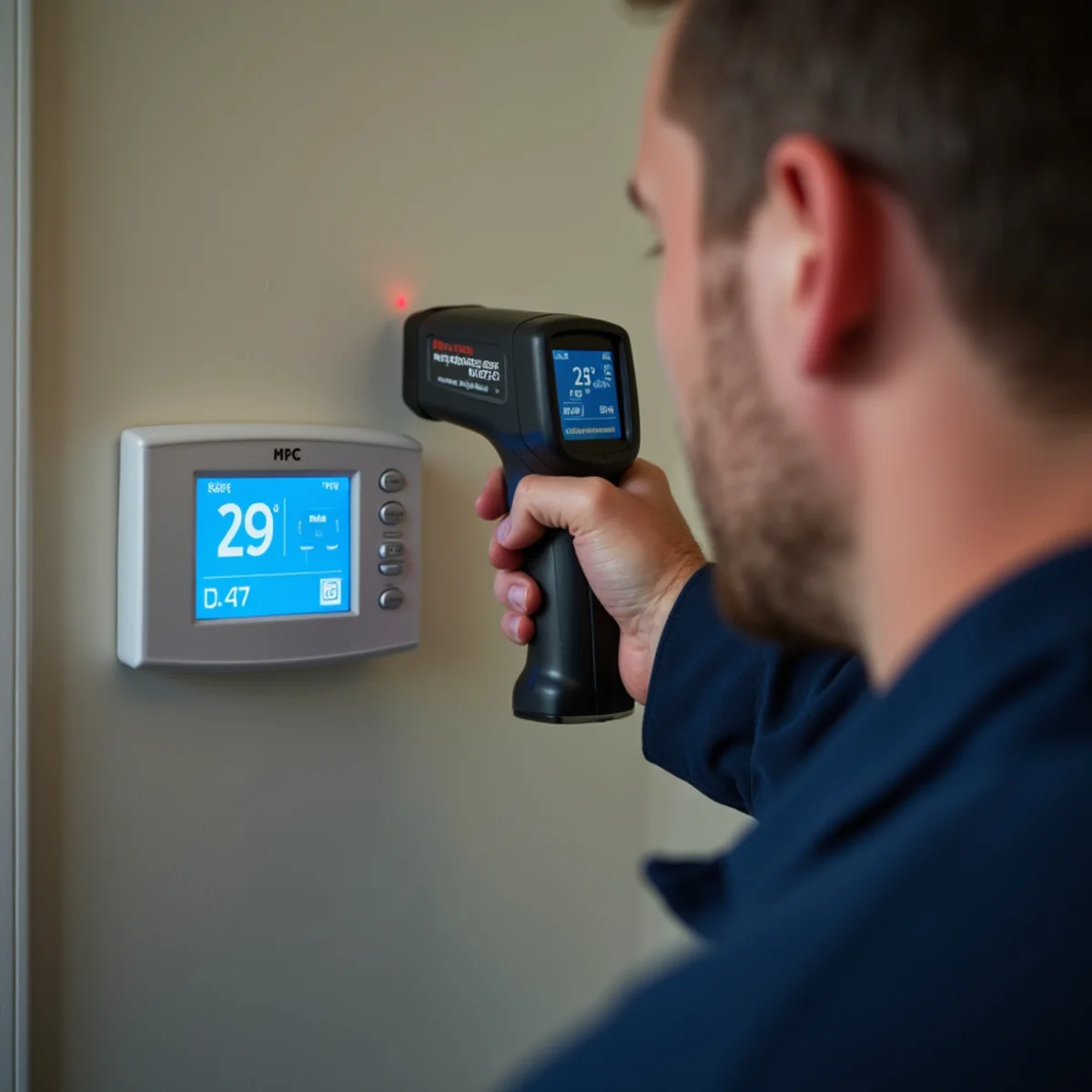
Heat Pump Air Temperatures: The 90°F vs. 130°F Sensation Gap
Unlike a traditional gas or propane furnace that generates scorching 125°F to 140°F air through fuel combustion, an electric heat pump works by extracting latent ambient heat from outdoor air and transferring it inside via the vapor-compression refrigeration cycle. Under normal operation, supply air entering your living space measures between 88°F and 95°F.
Because your normal human skin surface temperature is approximately 92°F to 94°F, supply air blowing across your skin at 90°F with high blower velocity can feel slightly cool or drafty, even though it is actively warming a 68°F room. However, if your supply air drops to 70°F or lower and your thermostat temperature is falling steadily, your heat pump is malfunctioning.
Normal Operation: Understanding the 5-to-10 Minute Defrost Cycle
During winter in Harnett and Johnston counties, outdoor temperatures frequently hover between 28°F and 38°F with dense coastal morning humidity. Under these conditions, moisture in the air condenses and freezes into frost across the outdoor coil.
To keep ice from choking off airflow and crushing the aluminum fins, your heat pump's control board periodically initiates a defrost cycle. The table below outlines how to distinguish a healthy defrost cycle from a critical mechanical heating failure.
- The 4-way reversing valve shifts temporarily from heating mode into air conditioning mode to send hot refrigerant to the outdoor coil.
- The outdoor condenser fan motor shuts off to trap heat around the iced outdoor coil and accelerate thawing.
- Indoor electric resistance heat strips ('Auxiliary Heat') energize to temper the chilled supply air so your living space doesn't experience a sudden deep chill.
- A massive plume of white steam rises from the outdoor unit as frost melts and vaporizes across the warm coil.
| Operating Factor | Normal Winter Defrost Cycle | Mechanical Heating Breakdown |
|---|---|---|
| Duration of Cold Air | 5 to 10 minutes maximum | Continuous for 20+ minutes; house cools down |
| Outdoor Fan Status | Fan turns OFF completely during defrost | Fan runs continuously or outdoor unit stays silent |
| Steam vs. Smoke | Cloud of odorless white water steam dissipates | Acrid, burning plastic electrical smell or smoke |
| Supply Register Temp | Briefly drops to ~75°F–80°F before warming | Cold unconditioned room-temperature air (55°F–68°F) |
| Thermostat Behavior | Aux Heat / Defrost indicator may blink or illuminate | Home temp falls 3°F+ below setpoint despite calling |
| Immediate Homeowner Action | Wait 10 minutes for cycle to self-terminate | Switch to EMERGENCY HEAT and call for service |
4 Common Mechanical Failures That Cause Continuous Cold Air
When supply vents blow cold air for more than 15 to 20 minutes, your heat pump is suffering from an equipment failure. In our local climate, four mechanical defects account for 90% of cold air calls:
- 1. Burnt Auxiliary Heat Strips or Blown Sequencer: When the defrost cycle activates, the indoor electric resistance heat strips must energize to offset the cold air. If the strip elements have burnt open or the heat sequencer relay fails, raw 45°F–50°F air blows directly through your ceiling registers.
- 2. Stuck 4-Way Reversing Valve: The reversing valve is the mechanical heart that switches your heat pump between heating and cooling. If the magnetic solenoid coil burns out or the internal brass slide valve hangs up, the system remains physically locked in AC mode.
- 3. Severe Refrigerant Leak: Heat pumps rely on precise refrigerant charge to absorb heat from freezing outdoor air. If a pinhole leak develops in the outdoor coil or service fittings, the system cannot absorb thermal energy, blowing cold ambient air.
- 4. Failed Defrost Control Board or Sensor: A defective defrost thermistor or solid-state control board can prevent the unit from ever defrosting—causing the outdoor unit to freeze into a solid glacier—or trap the unit in defrost mode indefinitely.
Technician E-E-A-T Field Insight: Testing Heat Sequencers
When our technicians diagnose cold air calls in Dunn and Benson, we use digital clamp meters to measure the amperage draw on each auxiliary heating element (typically 4.8 kW to 9.6 kW). A healthy 10 kW heat strip bank should draw roughly 41.6 amps at 240 volts. If the meter reads zero amps while the thermostat calls for Aux Heat, the sequencer relay, thermal high-limit cutoffs, or fusible links have failed and must be replaced.
Need an HVAC Specialist in Dunn, NC?
Step-by-Step Action Plan: What to Do While Awaiting Repair
If your heat pump is blowing cold air and outdoor temperatures are below freezing, follow these steps to protect your plumbing and household comfort:
- Step 1: Switch Thermostat to 'EMERGENCY HEAT' (EM HEAT). This bypasses the outdoor condensing unit entirely and forces the indoor electric heat strips to run directly, restoring warm air to your registers.
- Step 2: Inspect your outdoor unit from a safe distance. Is it encased in a thick blanket of ice thicker than a dime? If so, turn off power at the disconnect to prevent compressor burnout.
- Step 3: Check your indoor air filter. A suffocated filter restricts airflow across the indoor coil and heat strips, tripping the high-limit thermal safety switch.
- Step 4: Call Averasboro Heating & Air at (321) 478-0693. We provide 24/7 priority emergency dispatch throughout Dunn, Benson, and Lillington.
Related Services & Service Areas
Related HVAC Services
Nearby Communities Served
Frequently Asked Questions
Common inquiries related to this guide.
Seeing a cloud of white vapor rising from your outdoor condenser during winter is completely normal. It occurs during the defrost cycle when the outdoor coil heats up to melt accumulated frost. The moisture flashes into water steam, which dissipates within 30 to 60 seconds and is odorless.
Not urgent? Send a request
Planning a replacement or seasonal tune-up? Fill out the form below. For the fastest help, call (321) 478-0693.